Přepeřská 1602, Turnov
CZK 300 / 1 test


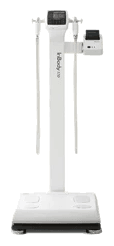
The older InBody170 provides a basic overview for weight loss and muscle-building goals. It can also help you follow existing measurements: a consultation can examine changes in fat, muscle and their distribution.
A narrow InBody 170 printout still tells you more than a bathroom scale. During weight loss, look at whether fat is falling and what happens to skeletal muscle. When training, the distribution of lean mass between your right and left sides can also be useful. The age of the model alone does not make your results useless. Tracking progress depends on the condition of the individual device, preparation and similar testing conditions. If you need more detail about fluid distribution or phase angle, choose a service that provides those specific outputs.
Start with weight, fat in kilograms and percent body fat together. A lower scale reading can have several causes. Follow skeletal muscle over several tests; one lower reading after a demanding day does not establish muscle loss.
Segmental lean analysis adds a view of each limb and the trunk. Lean means fat-free mass, which also includes water. A difference between legs can prompt a discussion with a trainer or physiotherapist, but does not identify the cause by itself.
TBW helps explain why weight or fat-free mass sometimes changes faster than expected. The total alone does not show how water is distributed inside and outside cells. Assessing swelling requires additional information and clinical context.
The 170 manual lists Visceral Fat Level. This is an estimated level, not an area in cm² or an abdominal image. If you switch to a model reporting visceral area, the two numbers cannot be subtracted as the same quantity.
BMR estimates energy for basic body functions at rest. It is not automatically your appropriate daily intake. Treat Fitness Score as a summary of body composition; individual fat and muscle values and their trends are more helpful when deciding what to do next.
Bare feet and hands touch the electrodes. A weak electrical signal measures impedance in your arms, legs and trunk, which the device uses to estimate body composition. It does not weigh muscle and fat separately. Exercise or different hydration can therefore change the estimate without a substantial change in muscle tissue within a few hours.
For follow-up tests, come at a similar time of day and under similar conditions after food, drink and activity. Use the toilet beforehand and stand quietly for a while. Testing is barefoot, with arms held slightly away from the body. Ask your provider about specific intervals. Tell them beforehand if you use a pacemaker or another electronic medical device; the 170 manual prohibits testing in that situation.
The standard manual outputs do not list phase angle or the ECW/TBW ratio. Total body water does not replace these measures. Czech documentation states that technical support has ended for 170 units manufactured in 2015 or earlier. Check the service condition before testing or buying a used unit. The test requires safe standing and contact with all electrodes. If that posture is difficult, arrange a more suitable measurement method.
230 also offers basic segmental analysis, with a different result sheet and storage options. 270S adds whole-body phase angle. 970S may suit you better if you also need fluid distribution and segmental phase angles. Establish a new series when switching: a small difference between two models may not be a change in your body.
Locations with a documented device. Each location detail describes its service and conditions.
Přepeřská 1602, Turnov
Zahradníkova 2/8, Brno
The verified standard manual does not list it. Total water and regional lean mass do not replace that result.
It can contribute to your history. The same device and procedure are most comparable; establish a new baseline when switching.